Identity-Oriented Psychotrauma Theory
Who am I—beneath who I had to become?
IoPT offers a way to explore how early experience, relationship and trauma may shape identity—and to listen for what you genuinely want now.
“What I want” can become a doorway back to who I am.
The Intention Method
A way of understanding
Trauma is not only what happened.
It is also what happens inside us when an experience is too overwhelming to process while staying connected to ourselves.
IoPT—developed by Professor Dr Franz Ruppert—looks at the relationship between trauma, identity and our capacity to live from our own healthy will. Our biology responds automatically to overwhelm. Parts of our experience may become separated from awareness, while survival structures help us continue.
The original situation may be over, yet protective patterns can remain visible in our bodies, beliefs and relationships. IoPT invites curiosity about these patterns without judging them or treating them as the whole of who we are.
01
Healthy parts
Our capacity for presence, reality, connection, agency, reflection and authentic wants.
02
Survival parts
Intelligent strategies that once protected us, even when they now limit choice or connection.
03
Trauma parts
Feelings, body memories and experiences that were too overwhelming to integrate at the time.
Healing is not simply understanding what happened—or fixing ourselves. It is gradually restoring relationship between body, consciousness, perception, authentic wants and relationship.
A relational understanding of healing
From survival loops toward choice.
When our relationship with ourselves changes, our perception can change too: who we believe ourselves to be, what we expect from others and how we show up in relationship.
The work is not about pushing through protections. It is about noticing them, creating sufficient stability and listening for what is true for us now—so that choice, connection and healthy autonomy become more possible.
The Intention Method
The work begins with you.
A self-encounter begins with an intention chosen and worded by you. The facilitator does not decide what you should explore.
01 · Form
What do I want?
Your sentence, question or words create the framework for the exploration.
02 · Resonate
What becomes present?
Selected elements are explored through embodied resonance, without analysis or interpretation.
03 · Recognise
What is mine?
You notice what feels true, what may be protective and where healthy movement is emerging.
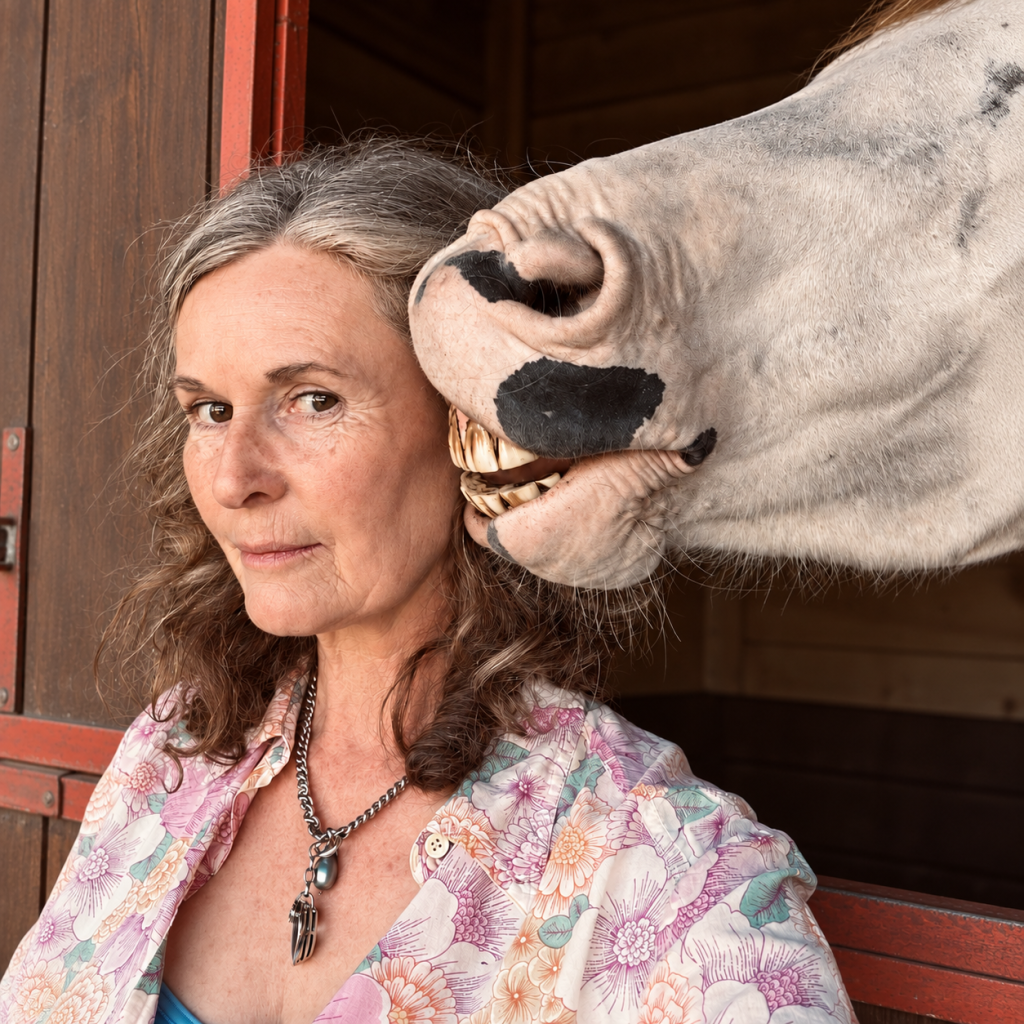
Meet Deirdre
Experience held with warmth, clarity and respect.
I bring more than twenty years of therapeutic practice to a way of working grounded in embodied presence, autonomy and respect for each person’s process.
My background includes IoPT, Craniosacral Therapy, Focusing and trauma-informed relational practice. I trained in IoPT with Professor Franz Ruppert and continue my learning and supervision with Vivian Broughton.
Begin with what you want.
Explore the next online introduction or enquire about individual work.
IoPT Ireland
Returning to relationship with yourself.
© 2026 Deirdre Kennedy · IoPT Ireland · Educational and experiential services